

Basic 2D Game Development Concepts
Embark on a thrilling journey into the realm of game development as we delve into the fundamental concepts of creating captivating 2D games. Whether you’re a novice or a seasoned developer, this guide will unravel the core principles that form the backbone of a successful game. Join us as we unlock the secrets behind bringing your gaming visions to life!
2d game development
Tools
In the following paragraphs, I will show you different ways to create a video game. They are very different and each has its pros and cons that you need to consider before you start. Which approach you choose is up to you.
Game engine
It is software developed mainly for rapid game development. Most modern engines include modules for different areas of it. Game engines try to do the same, but instead of drawing 2D images, they help the user create games as quickly as possible. Game developers don’t have to worry about developing subsystems, but just use them to realize their idea.
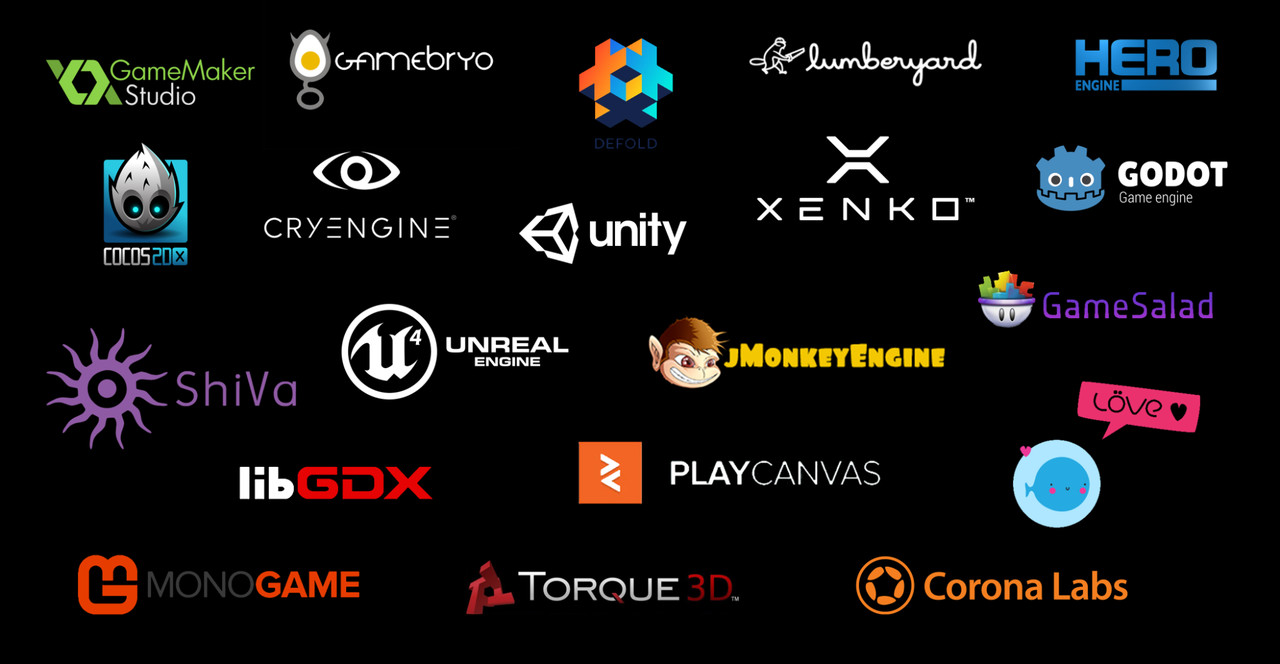
Game frameworks
It is a collection of libraries for game development. They are used through a programming language, which means you have to know how to code; they usually include libraries for several areas.If you are thinking of developing a game for business, I would definitely not recommend a game framework as they take a lot of time and are sometimes not well documented.
Libraries
These are programming language libraries used to achieve specific functions in specific languages. They are not developed for game development, but for any kind of software. If you choose this way you will have to write a lot more code to draw something in a very small window. Sometimes they are not well documented, or the documentation itself requires you to know a lot about low-level systems.
Subsystems
• Rendering: It is the process of generating graphics from a model.
• Physics Simulation: Used to simulate real physics to varying degrees. Widely used by platform games.
• Collision detection: The process of detecting collisions between two or more objects. This can be divided into 2 phases: Broad phase and Narrow phase.
• Collision resolution: While detection determines whether 2 or more objects collide or not, collision resolution is the process of moving objects apart so they don’t overlap because it will be strange to the player.
Conclusion
Also, keep in mind that these are just a few; there are many more concepts that you need to learn to become a 2d game development.





 Arizona
 Dubai
Dubai India
India