
9 Types Of Firewalls To Improve Security
Cyber threats are constantly evolving, and organizations need robust defense mechanisms to safeguard their networks and sensitive information. One indispensable tool in the cybersecurity arsenal is the firewall. There are types of Firewalls act as the first line of defense against unauthorized access, malicious software, and other cyber threats.
Types of firewalls
Packet filtering firewalls
The most basic form of firewall, packet filtering firewalls inspect packets of data and determine whether to allow or block them based on predefined rules. These rules are typically based on source and destination IP addresses, port numbers, and protocols.

Stateful inspection firewalls
Building on the foundation of packet filtering, stateful inspection firewalls keep track of the state of active connections. By examining the context of traffic, these firewalls make more informed decisions about whether to permit or deny data packets.

Proxy firewalls
Proxy firewalls act as intermediaries between internal and external networks. They intercept requests from users and forward them on their behalf. By doing so, proxy firewalls can mask the internal network’s IP addresses, adding an extra layer of security.

Application-layer firewalls
Operating at the application layer of the OSI model, application-layer firewalls scrutinize network traffic at a deeper level. These firewalls are aware of specific applications and protocols, allowing them to make more granular decisions.
Next-generation firewalls
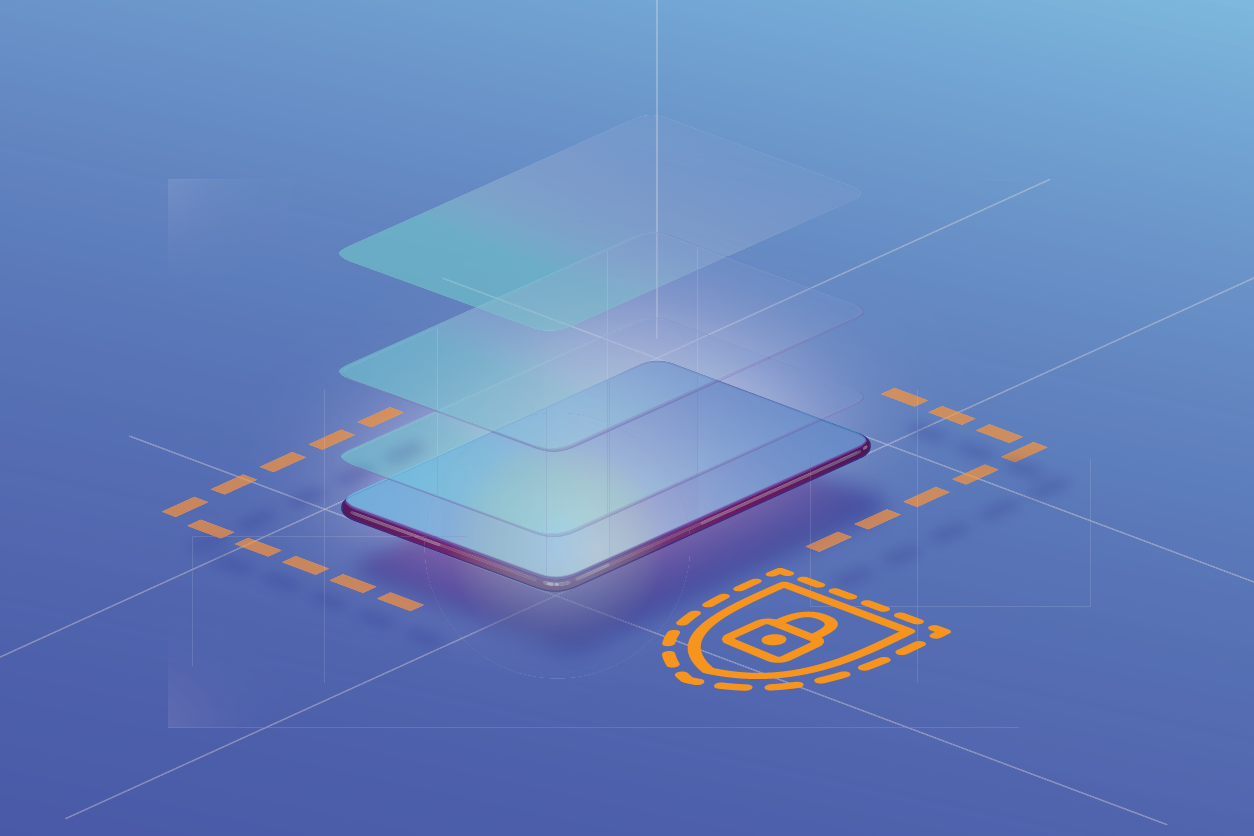
Combining traditional firewall capabilities with advanced security features, NGFWs offer a holistic approach to network security. These firewalls often include intrusion prevention systems, deep packet inspection, and application awareness. NGFWs are designed to combat the evolving nature of cyber threats by providing a multi-layered defense strategy.
Cloud firewalls
As organizations migrate their operations to the cloud, traditional firewalls may prove insufficient. Cloud firewalls are specifically designed for cloud environments, protecting virtual machines and resources hosted in the cloud. They offer scalable security solutions that adapt to the dynamic nature of cloud-based infrastructures.
Hardware firewalls
Positioned at the network perimeter, hardware firewalls are physical devices that filter traffic between an internal network and the internet. These firewalls are often deployed as standalone appliances and are effective in protecting entire networks from external threats.
Software firewalls
In contrast to hardware firewalls, software firewalls are installed on individual devices such as computers or servers. They provide protection at the device level, monitoring and controlling incoming and outgoing traffic. Software firewalls are especially useful for securing endpoints and are commonly used on personal computers.
Virtual firewalls
With the rise of virtualization technologies, virtual firewalls have become crucial for securing virtualized environments. These firewalls operate within virtual machines or hypervisors, providing security for the virtualized infrastructure. Virtual firewalls offer flexibility and scalability, making them well-suited for modern, dynamic IT environments.
Conclusion
The cybersecurity landscape is complex and ever-changing, requiring organizations to implement a variety of security measures. Firewalls, with their ability to regulate and monitor network traffic, play a crucial role in fortifying defenses against cyber threats.





 Arizona
 Dubai
Dubai India
India