8 Ways To Optimize Your Growth Marketing Strategy
In the ever-evolving landscape of digital marketing, a well-crafted growth marketing strategy is essential for businesses looking to stay ahead of the competition. To maximize your reach and impact, it’s crucial to constantly optimize and refine your approach.
Optimize your growth marketing strategy
Data-driven decision making
Base your marketing decisions on data insights rather than gut feelings. Utilize analytics tools to track and measure key performance indicators such as customer acquisition costs, conversion rates, and customer lifetime value. This data-driven approach enables you to make informed decisions and allocate resources where they will have the most significant impact.
Customer segmentation
Tailor your marketing efforts to specific customer segments. By understanding the unique needs and preferences of different customer groups, you can create targeted campaigns that resonate more effectively. Use customer segmentation to personalize your messaging, promotions, and user experiences.

Optimized content marketing
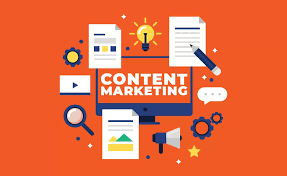
Develop high-quality, valuable content that addresses your audience’s pain points and interests. Leverage various content formats, such as blog posts, videos, and infographics, to cater to different preferences. Implement SEO best practices to improve your content’s visibility and reach.
Social media Engagement
Actively engage with your audience on social media platforms. Utilize social media analytics to understand which platforms are most effective for your target audience and adjust your strategy accordingly. Encourage user-generated content to foster a sense of community around your brand.
Email marketing optimization
Refine your email marketing strategy to nurture leads and retain customers. Implement A/B testing for subject lines, content, and calls-to-action to identify the most effective elements. Personalize your email campaigns based on customer behavior and preferences. Segment your email lists to deliver targeted messages that resonate with specific audience segments.

Conversion rate optimization
Continuously optimize your website and landing pages to improve conversion rates. Conduct A/B testing on different elements such as headlines, images, and CTAs to identify what resonates best with your audience. Ensure a seamless user experience, fast page load times, and mobile responsiveness to minimize bounce rates and increase conversions.
Influencer marketing collaborations
Partner with influencers relevant to your industry or niche. Influencers can help amplify your brand’s message and reach a wider audience. Choose influencers whose values align with your brand and whose followers match your target demographic. Measure the success of influencer collaborations through engagement metrics and return on investment.
Referral programs
Encourage customer advocacy through referral programs. Satisfied customers can be powerful advocates for your brand. Create incentives for customers to refer friends and colleagues, whether through discounts, exclusive access, or other perks. Track the success of your referral program and adjust incentives based on performance.
Conclusion
Optimizing your growth marketing strategy requires a commitment to continuous improvement and adaptation. By focusing on data-driven decision-making, personalized approaches, and engagement across various channels, you can enhance your marketing efforts and drive sustained business growth.



 Arizona
 Dubai
Dubai India
India