
8 UX/UI Design Trends That Shape Your Business Success
User Experience and User Interface design play pivotal roles in shaping how users interact with products and services. Let’s explore eight key UX/UI design trends that are reshaping the business landscape and driving success.
UX/UI design trends
Dark mode dominance
Dark mode has evolved from being a trend to becoming a staple in UX/UI design. It not only enhances visual appeal but also reduces eye strain and improves battery life for users. Businesses are increasingly incorporating dark mode options to cater to diverse user preferences and enhance accessibility.

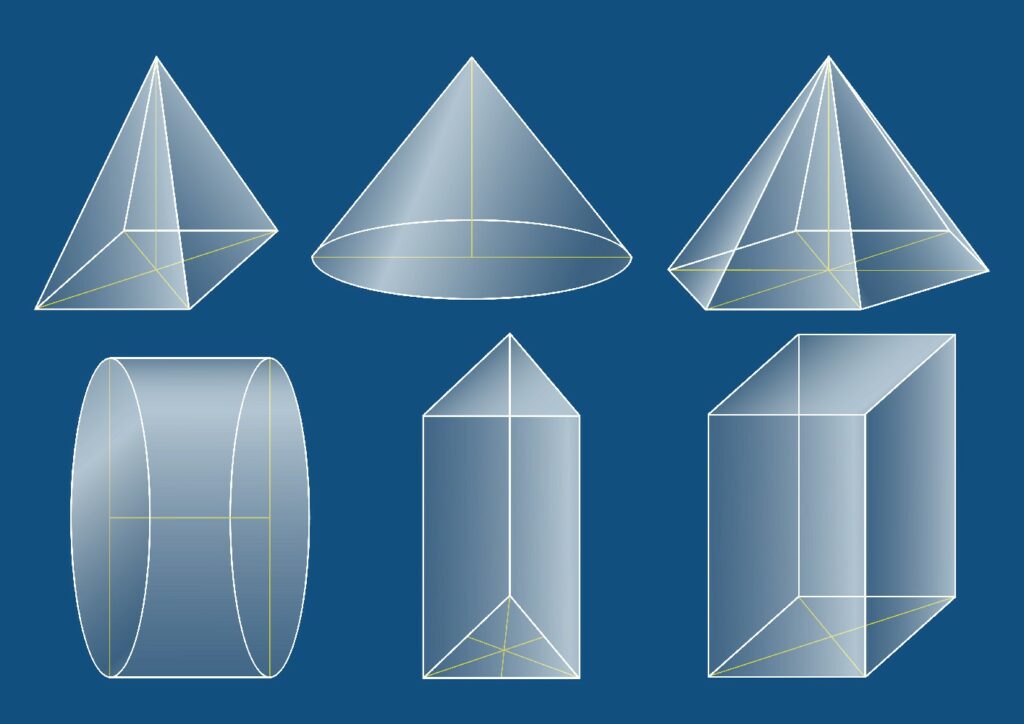
Immersive 3D elements
The integration of 3D elements in UX/UI design is gaining momentum, creating more immersive and engaging user experiences. From interactive product displays to dynamic backgrounds, businesses are leveraging 3D visuals to captivate users and differentiate themselves in competitive markets.
Microinteractions for personalization
Microinteractions are subtle animations or visual cues that respond to user actions, providing a personalized touch to the overall user experience. By incorporating microinteractions, businesses can enhance user engagement, guide user behavior, and create a more enjoyable and memorable interaction with their products.
Voice user interfaces
With the rise of virtual assistants and smart devices, integrating voice user interfaces has become a priority for many businesses. VUIs facilitate hands-free interactions, making it convenient for users to navigate through applications and websites. Incorporating voice commands and responses enhances accessibility and widens the user demographic.

Neumorphism design aesthetics
Neumorphism, a design trend characterized by soft shadows and a focus on minimalistic, tactile elements, is gaining popularity in UX/UI design. This approach creates a visually pleasing and intuitive interface, emphasizing realism and simplicity. Businesses adopting neumorphism are aligning themselves with a modern and sophisticated design language.
Accessibility-first design
Ensuring digital products are accessible to users of all abilities is no longer an option but a necessity. Accessibility-first design focuses on creating interfaces that are usable by individuals with disabilities. By prioritizing inclusive design practices, businesses not only expand their user base but also demonstrate a commitment to social responsibility.
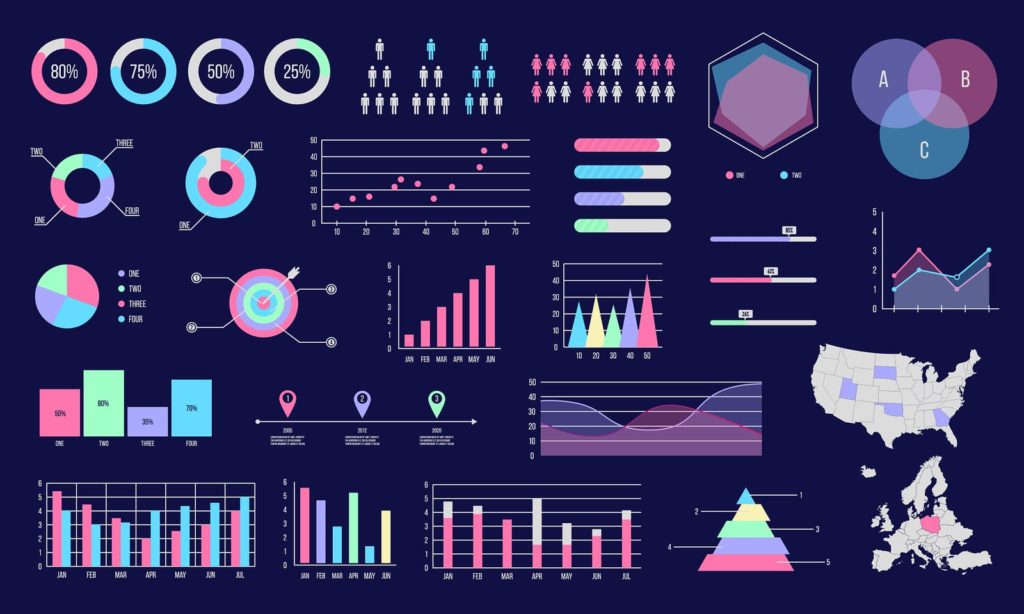
Data visualization for decision-making
In an era of data-driven decision-making, effective data visualization is paramount. Businesses are integrating interactive charts, graphs, and infographics into their interfaces to present complex information in a digestible format. This not only enhances user understanding but also empowers users to make informed decisions.
Gesture-based navigation
Gesture-based navigation is redefining how users interact with digital interfaces, especially on touch-enabled devices. By incorporating intuitive gestures, businesses can streamline navigation, enhance user experience, and provide a more natural and fluid interaction paradigm.

Conclusion
By embracing these trends, companies can not only meet user expectations but also position themselves for sustained success in an ever-evolving digital landscape.




 Arizona
 Dubai
Dubai India
India