
A Step-By-Step Guide To Successful VR Game Development
Virtual Reality has transformed the gaming industry, offering players an immersive experience like never before. Creating a successful VR game, however, involves more than just coding and design. It requires a comprehensive understanding of the unique challenges and opportunities that come with virtual reality. In this step-by-step guide, we will walk you through the essential elements of successful VR game development.
VR game development
Define your concept
Before diving into development, clearly define your VR game concept. Consider the unique aspects of VR that can enhance gameplay. Will it be a first-person shooter, a simulation, or perhaps an innovative puzzle game? Understanding your game’s core concept will guide the entire development process.
Research the VR market
Stay informed about the current trends and market demands in the VR gaming industry. Investigate successful VR games, analyze player reviews, and identify areas for improvement. This research will help you tailor your game to meet the expectations of your target audience.
Choose the right VR platform
VR gaming is not one-size-fits-all, with various platforms like Oculus Rift, HTC Vive, PlayStation VR, and more. Choose the platform that aligns with your target audience and technical capabilities. Each platform has its own set of requirements and guidelines, so ensure your game complies with them to reach a broader audience.
Understand VR design principles
Designing for VR requires a different mindset compared to traditional game development. Consider factors like comfort, immersion, and presence. Ensure that your game leverages VR technology to create an experience that feels natural and engaging for players. Pay attention to user interface design, controls, and movement mechanics to minimize motion sickness.
Create a prototype
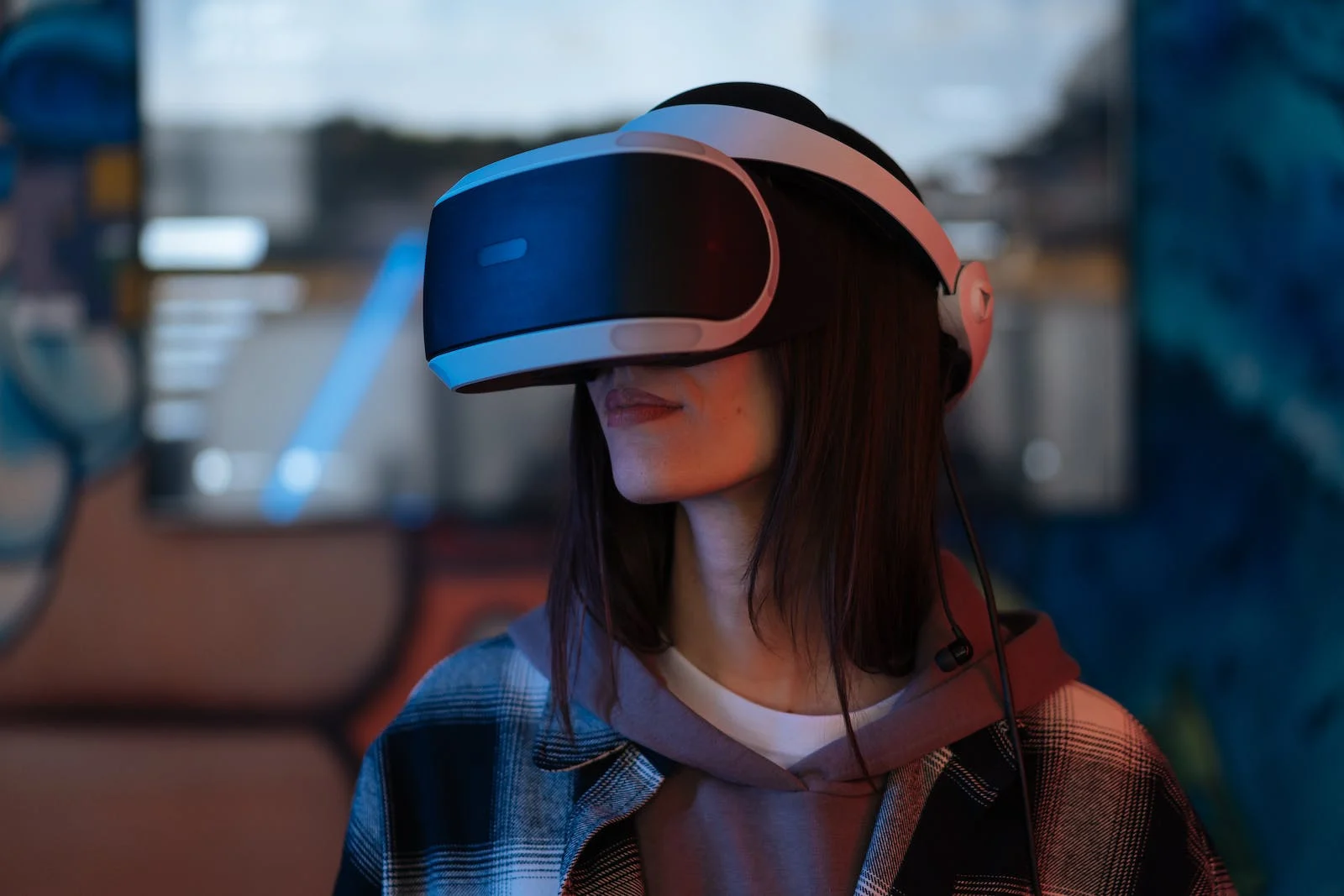
Before committing to full-scale development, create a prototype to test your game’s core mechanics and VR interactions. Prototyping allows you to identify potential issues early on and make necessary adjustments. Solicit feedback from testers to refine your concept and improve user experience.
Optimize for performance
VR games demand high performance to maintain a seamless experience. Optimize your game for smooth frame rates and low latency to prevent motion sickness. Consider implementing techniques like level-of-detail rendering, texture compression, and efficient resource management to achieve optimal performance across different VR platforms.
Implement intuitive controls
Intuitive controls are crucial for a satisfying VR experience. Leverage motion controllers to enhance player interaction and immersion. Test and refine your control schemes to ensure they feel natural and intuitive. Provide players with the ability to customize controls to accommodate individual preferences.
Focus on immersive storytelling
Engaging storytelling is as important in VR as it is in traditional gaming. Use the immersive nature of VR to your advantage by creating a compelling narrative that draws players into the game world. Design environments and characters that enhance the overall storytelling experience in virtual reality.

Test and iterate
Regular testing is essential to identify and address potential issues in your VR game. Conduct playtests with a diverse group of players to gather feedback on different aspects, including gameplay mechanics, user interface, and overall immersion. Use this feedback to iterate and refine your game throughout the development process.
Prepare for launch
As you approach the final stages of development, start preparing for the launch of your VR game. Develop a marketing strategy to generate awareness and anticipation. Utilize social media, gaming forums, and VR communities to build a pre-launch buzz. Ensure that your game’s store pages are optimized with engaging visuals and compelling descriptions.
Conclusion
By defining your concept, researching the market, choosing the right platform, understanding VR design principles, creating prototypes, optimizing performance, implementing intuitive controls, focusing on storytelling, testing rigorously, and preparing for launch, you’ll be well on your way to delivering a VR game that captivates audiences and stands out in the competitive world of virtual reality gaming.





 Arizona
 Dubai
Dubai India
India