

5 Fintech Development Trends Shaping The Financial Landscape
In the ever-evolving landscape of finance, technology continues to play a pivotal role in shaping the industry. The intersection of finance and technology, commonly known as fintech, has witnessed unprecedented growth in recent years. As we step into a new era, it’s essential to explore the trends that are steering fintech development and transforming the way we manage, invest, and transact.
Fintech development trends
Decentralized finance
Decentralized Finance, or DeFi, has emerged as a revolutionary force in the fintech space. By leveraging blockchain technology, DeFi seeks to recreate traditional financial systems without the need for centralized authorities. Smart contracts, self-executing contracts with the terms of the agreement directly written into code, underpin many DeFi applications, ensuring transparency, security, and automation. While the DeFi space is still maturing, its rapid growth underscores its potential to reshape the financial industry. As more projects and protocols emerge, we can expect decentralized finance to become an integral part of the financial ecosystem.
Digital wallets and central bank digital currencies
Digital wallets have become ubiquitous in our daily lives, transforming how we manage and transfer funds. With the rise of smartphones, digital wallets have gained popularity for their convenience and accessibility. Moreover, the integration of biometric authentication and advanced security features has enhanced the overall user experience. In parallel, Central Bank Digital Currencies have garnered attention as governments explore the possibilities of issuing their digital currencies. CBDCs are digital versions of a country’s fiat currency, providing a secure and efficient medium of exchange. These currencies are backed by the central authority, instilling confidence in users and addressing concerns related to volatility.

AI and ML
The integration of Artificial Intelligence and Machine Learning has been a game-changer in the fintech landscape. These technologies enable financial institutions to analyze vast amounts of data, automate processes, and enhance decision-making capabilities. The continuous evolution of AI and ML algorithms ensures that financial institutions can stay ahead of emerging threats and deliver more personalized services to their customers. As these technologies mature, we can expect even greater efficiency and innovation within the fintech space.

Regulatory technology
With the ever-growing complexity of financial regulations, RegTech has emerged as a crucial trend in fintech development. RegTech solutions leverage technology to streamline regulatory compliance processes, mitigate risks, and enhance transparency. The adoption of RegTech is particularly beneficial for financial institutions seeking to navigate the intricate web of compliance requirements. By automating regulatory tasks, institutions can reduce the risk of human error, ensure timely reporting, and adapt swiftly to changes in regulatory frameworks. As regulatory landscapes continue to evolve, the role of RegTech will become increasingly vital in helping financial institutions stay compliant and resilient in the face of regulatory challenges.
Open banking and APIs
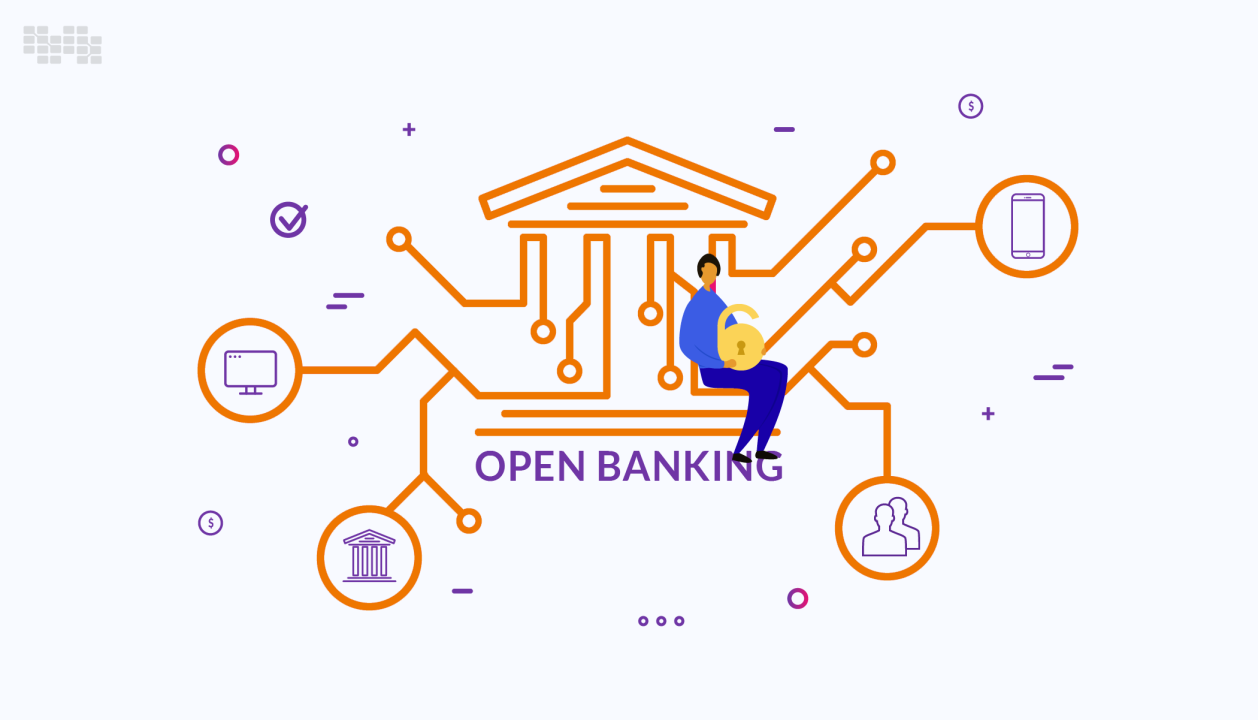
Open Banking, driven by the proliferation of Application Programming Interfaces, has reshaped the financial services industry by promoting collaboration and innovation. Open Banking allows third-party developers to access financial institutions’ data securely, enabling the creation of new and improved financial products and services. APIs facilitate seamless data sharing between different financial entities, fostering a more interconnected and dynamic ecosystem. This trend has led to the development of innovative solutions such as financial aggregators, budgeting apps, and personalized financial management tools. As Open Banking gains traction, we can anticipate an increase in partnerships and collaborations between traditional financial institutions and fintech startups. The result will be a more integrated and customer-centric financial experience.
Conclusion
The fintech landscape is evolving at a rapid pace, driven by technological advancements and changing consumer expectations.The future of finance is undeniably intertwined with technology, and by staying attuned to these trends, we can anticipate a financial landscape that is more inclusive, efficient, and innovative.





 Arizona
 Dubai
Dubai India
India