8 Expert Tips For Maximizing Image Content Impact
In the fast-paced world of digital communication, visuals play a pivotal role in capturing audience attention and conveying messages effectively. Whether you’re running a blog, managing social media accounts, or maintaining a website, using images strategically can significantly enhance your content’s impact. To help you make the most of your image content, here are eight expert tips to consider.
Maximizing image content
Quality over quantity
The first rule of effective image content is to prioritize quality over quantity. A high-resolution, clear image will always outperform a pixelated or blurry one. Invest time in sourcing or creating compelling visuals that resonate with your brand and message. Remember, a single, well-crafted image can leave a lasting impression and engage your audience more effectively than a collection of mediocre ones.

Optimize for loading speed
While high-quality images are crucial, it’s equally important to optimize them for fast loading times. Slow-loading websites can lead to increased bounce rates, negatively impacting user experience and SEO rankings. Use tools like Adobe Photoshop or online compressors to reduce file sizes without compromising image quality.
Consistent branding
Maintain consistency in your visual content to reinforce your brand identity. Use a consistent color palette, typography, and style across all your images. This helps in creating a cohesive and recognizable brand image, making it easier for your audience to associate visuals with your brand. Consistent branding builds trust and strengthens your overall online presence.
Tell a story with images
Don’t just use images for the sake of it; tell a story through visuals. Whether it’s a sequence of images or a single powerful picture, make sure there’s a narrative that complements your written content. This storytelling approach helps to evoke emotions, making your content more memorable and shareable. Use images that convey the essence of your message and resonate with your audience on a personal level.
Optimize for SEO
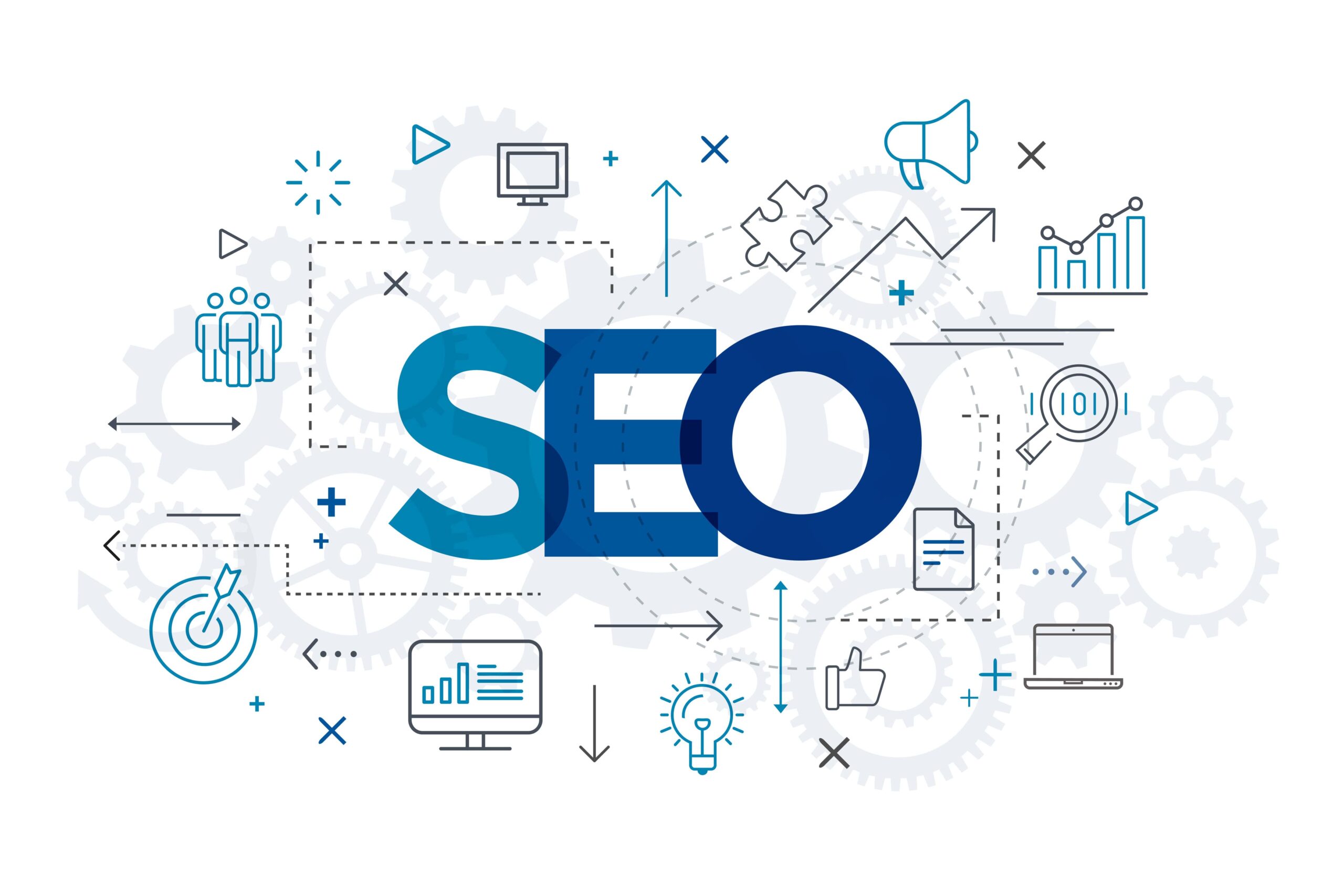
Images can significantly contribute to your website’s search engine optimization. Ensure that each image is properly labeled with descriptive file names and includes alt text. Alt text not only makes your content more accessible for visually impaired users but also provides search engines with relevant information about your images. Use relevant keywords in your alt text to improve your chances of appearing in relevant search results.
Utilize visual hierarchy
Implement visual hierarchy principles to guide your audience’s attention. Place key images strategically to draw focus and emphasize important points within your content. Use contrasting sizes and colors to create a natural flow that guides the viewer through the message. By understanding visual hierarchy, you can control the way users perceive and interact with your content, enhancing its overall effectiveness.
Engage with user-generated content
Encourage your audience to contribute to your image content through user-generated content. Whether it’s a photo contest, hashtag campaign, or a call for submissions, involving your audience in creating visuals fosters a sense of community. UGC not only provides fresh and diverse content but also builds a connection between your brand and your audience. Always seek permission before using UGC and give credit to the creators.
Test and analyze performance
Lastly, continuously monitor and analyze the performance of your image content. Use analytics tools to track metrics such as engagement, click-through rates, and conversions associated with your visual elements. A/B testing can help you understand which types of images resonate better with your audience. By regularly assessing performance data, you can refine your image content strategy and adapt to the changing preferences of your audience.
Conclusion
By following these expert tips, you can elevate your visual content, engage your audience more effectively, and ultimately enhance the overall impact of your online presence. Remember, the right image has the power to convey emotions, tell stories, and leave a lasting impression on your audience.




 Arizona
 Dubai
Dubai India
India