
8 Key Trends Of Digital Transformation In Healthcare
In an era where technology evolves at an unprecedented pace, the healthcare industry is undergoing a significant transformation driven by digital innovations. Digital transformation in healthcare not only enhances efficiency and accuracy but also plays a crucial role in improving patient outcomes. In this blog post, we’ll explore eight key trends that are shaping the landscape of digital transformation in healthcare.
Telehealth revolution
The COVID-19 pandemic has accelerated the adoption of telehealth services, marking a paradigm shift in healthcare delivery. Telehealth allows patients to access medical consultations remotely, reducing the need for physical visits to facilities. From virtual appointments to remote monitoring, telehealth is transforming how patients and healthcare providers interact, making more accessible and convenient.
Big data and analytics
The healthcare industry generates an enormous amount of data daily, from patient records to medical research. Harnessing the power of big data and analytics is a game-changer. Advanced analytics tools can analyze large datasets to identify patterns, predict disease outbreaks, and personalize treatment plans.

Artificial intelligence in diagnostics
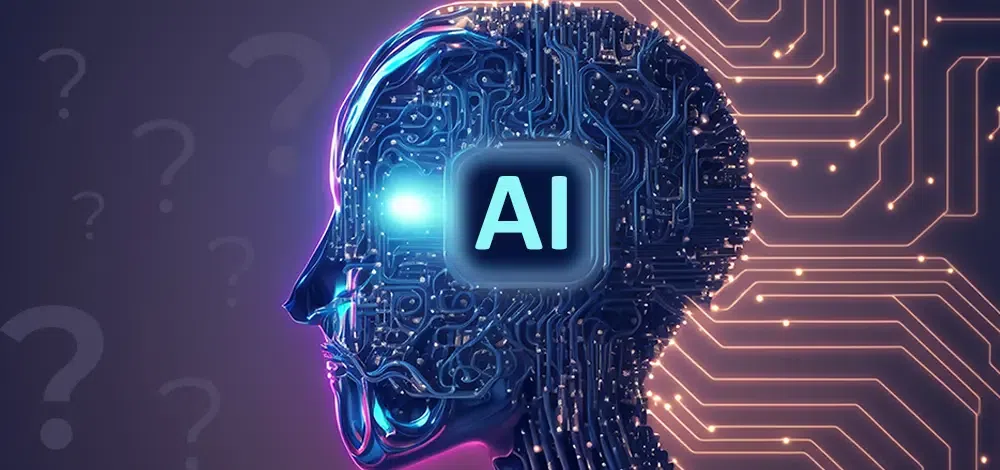
Artificial Intelligence is revolutionizing diagnostics and imaging in healthcare. AI algorithms can analyze medical images, such as X-rays and MRIs, with incredible accuracy. This speeds up the diagnosis process, reduces human error, and ensures that healthcare professionals can focus on critical decision-making rather than spending time on routine tasks.
Blockchain for data security
The need for secure and interoperable health data is driving the adoption of blockchain technology in healthcare. Blockchain ensures the integrity and security of patient data, enabling secure sharing of information between healthcare providers. This decentralized and tamper-proof system enhances trust among stakeholders and protects sensitive patient information from unauthorized access.

Wearable technology and remote monitoring
The proliferation of wearable devices, from fitness trackers to smartwatches, is transforming the way individuals engage with their health. These devices can monitor vital signs, track physical activity, and collect real-time health data. Healthcare providers are leveraging wearable technology for remote patient monitoring, allowing for proactive interventions and personalized care plans.
Personalized medicine
Advancements in genomics and molecular research are paving the way for personalized medicine. Rather than a one-size-fits-all approach, it is increasingly becoming tailored to individual genetic profiles. The integration of genetic information into patient care is a significant leap forward, promising more effective and personalized solutions.
Robotic process automation
In the administrative realm of healthcare, Robotic Process Automation is streamlining workflows and reducing operational costs. RPA automates repetitive tasks, such as appointment scheduling, billing, and claims processing, freeing up healthcare professionals to focus on more complex and patient-centric activities.
Patient empowerment through health apps
The rise of health applications is empowering individuals to take an active role in managing their health. These apps can track fitness, monitor dietary habits, provide medication reminders, and offer valuable health insights. By facilitating self-management, health apps contribute to preventive care and help patients make informed decisions about their well-being.
Conclusion
As we navigate the future, embracing these digital innovations will not only redefine healthcare but also pave the way for a more accessible, efficient, and patient-centric ecosystem. The integration of technology is not just a trend; it is the cornerstone of a healthier, more connected future for all.





 Arizona
 Dubai
Dubai India
India