

7 Steps To Scaling Software Teams Faster
Scaling software teams is a crucial aspect of a company’s growth in today’s fast-paced tech-driven environment. As demand for innovative software solutions continues to rise, the ability to scale your software teams efficiently becomes paramount. In this blog post, we’ll explore seven practical steps to help you scale your software teams faster without compromising on quality or team cohesion.
Scaling software teams
Evaluate current team structure
Before scaling your software teams, it’s essential to evaluate your current team structure. Understand the strengths and weaknesses of your existing team, identify bottlenecks, and assess the skills needed for future projects. This analysis will provide a solid foundation for making informed decisions about how to scale.
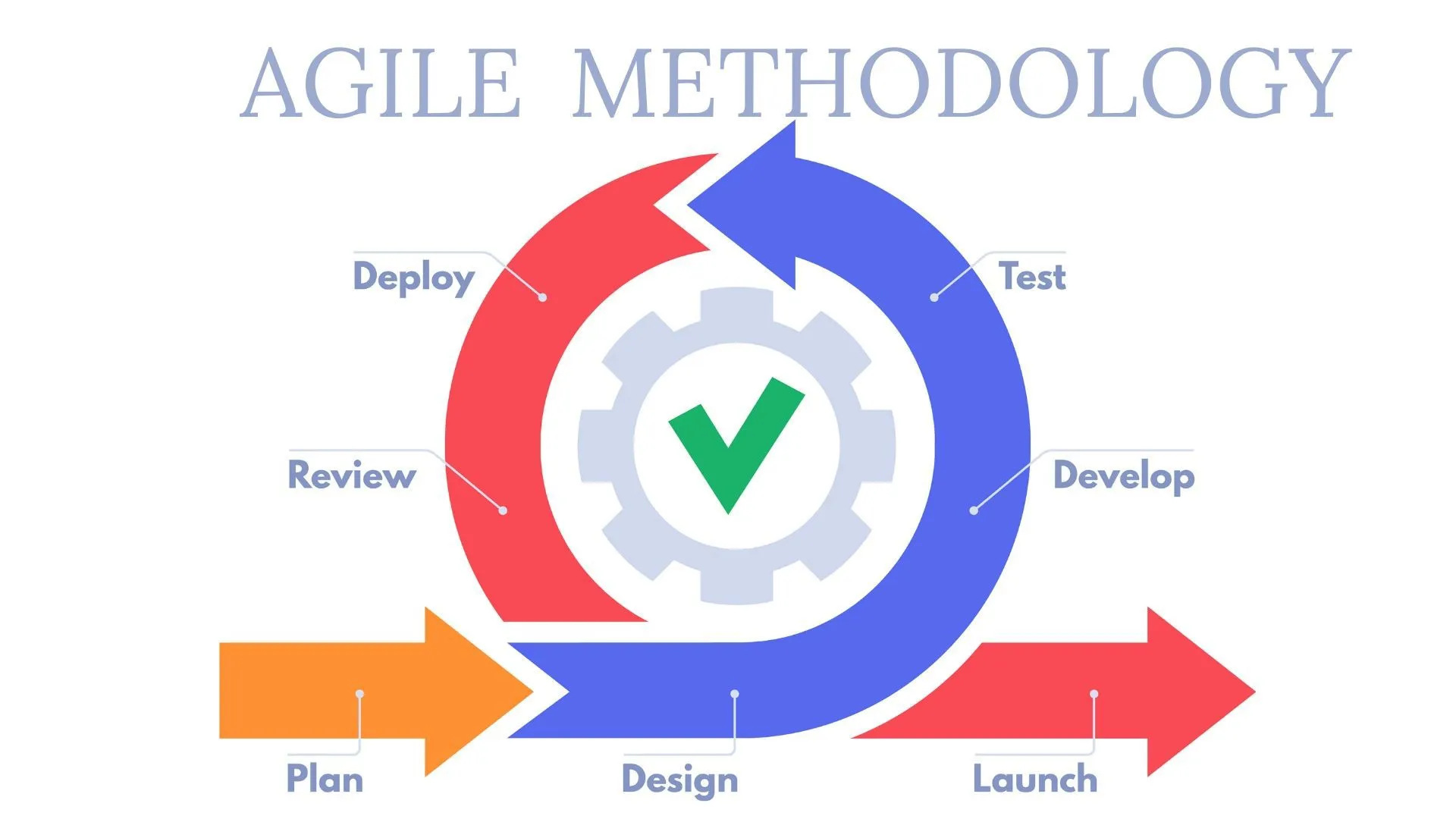
Implement agile methodologies
Agile methodologies, such as Scrum or Kanban, can significantly improve the efficiency of your software development process. By breaking down work into smaller, manageable tasks and fostering continuous communication, Agile methodologies enable teams to adapt quickly to changing requirements, ensuring a smoother scaling process.
Invest in training and skill development
To scale your software teams successfully, invest in training and skill development programs. Equip your existing team with the necessary skills and provide opportunities for continuous learning. Additionally, hire individuals with diverse skill sets to complement and enhance your team’s capabilities.
Leverage remote work opportunities
Embracing remote work allows you to tap into a global talent pool, enabling faster scaling without geographical constraints. Remote work also promotes flexibility, contributing to improved work-life balance and increased job satisfaction among team members. Utilize collaboration tools to ensure effective communication and project management.
Automate repetitive tasks
Automation can significantly increase productivity and allow your team to focus on more complex and creative aspects of software development. Identify repetitive and time-consuming tasks that can be automated, such as testing, deployment, and code review processes. Automation not only speeds up development but also minimizes errors.
Establish clear communication channels
Clear communication is critical when scaling software teams. Implement transparent communication channels to ensure that information flows seamlessly across the expanded team. Tools like Slack, Microsoft Teams, or project management platforms facilitate real-time communication and collaboration, fostering a cohesive working environment.
Prioritize devOps practices
Implementing DevOps practices is essential for scaling software teams efficiently. DevOps encourages collaboration between development and operations teams, leading to faster development cycles and more reliable software releases. By automating infrastructure and emphasizing continuous integration and delivery, you can streamline the scaling process.
Conclusion
Scaling software teams faster requires a strategic approach that considers the unique needs of your organization. By evaluating your current team structure, embracing agile methodologies, investing in training, leveraging remote work, automating tasks, establishing clear communication channels, and prioritizing DevOps practices, you can navigate the challenges of scaling while maintaining a high level of productivity and collaboration.





 Arizona
 Dubai
Dubai India
India