
7 Risks Associated With Data On Mobile Devices
Mobile devices have become an integral part of our daily lives, enabling us to stay connected, work remotely, and access information on the go. However, the convenience of mobile technology comes with its own set of risks, particularly when it comes to the security of the data stored on these devices. In this blog post, we will explore seven potential risks associated with data on mobile devices and how users can mitigate them.
Risks associated with data
Unauthorized access
One of the primary risks associated with mobile devices is the potential for unauthorized access. Whether it’s a lost device or a stolen one, the sensitive data stored on your mobile device could fall into the wrong hands. To mitigate this risk, it’s crucial to implement strong password protection, biometric authentication, and remote tracking and wiping capabilities.
Data leakage through unsecured networks
Mobile devices often connect to various networks, including public Wi-Fi. While convenient, these networks are often less secure, making it easier for cybercriminals to intercept data. Users should avoid connecting to unsecured Wi-Fi networks and use virtual private networks to encrypt their internet connection and protect their data from prying eyes.

Malicious apps and software
Downloading apps from untrusted sources or third-party app stores can expose your device to malicious software. These apps may compromise your data by accessing sensitive information or even damaging the device. Stick to reputable app stores, regularly update your apps, and use security software to scan for potential threats.
Phishing attacks
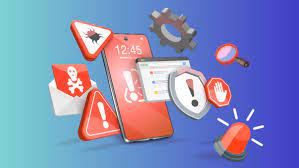
Mobile devices are increasingly targeted by phishing attacks, where attackers use deceptive messages or emails to trick users into providing sensitive information. Users should be cautious of unsolicited messages, emails, or links and verify the legitimacy of communication before sharing any personal or financial information.

Inadequate data encryption
If your mobile device lacks proper encryption measures, the data stored on it becomes vulnerable to interception. Implementing device encryption ensures that even if someone gains unauthorized access to your device, they won’t be able to decipher the stored information without the encryption key.

Outdated software and security patches
Failing to update your mobile device’s operating system and security patches exposes it to known vulnerabilities that attackers can exploit. Regularly check for software updates and install them promptly to ensure that your device has the latest security features and bug fixes.
Insufficient backup practices
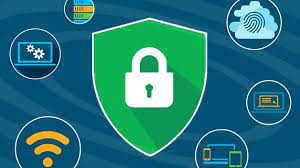
Data loss can occur due to various reasons, including device failure, accidental deletion, or a security breach. Without regular backups, important data may be irretrievably lost. Enable automatic backups to the cloud or an external storage device to ensure that your data is safe and can be easily recovered.

Conclusion
As mobile devices continue to play a central role in our personal and professional lives, understanding and mitigating the risks associated with data on these devices is paramount. By adopting proactive security measures, staying vigilant, and being mindful of potential threats, users can significantly reduce the likelihood of falling victim to data breaches and other security incidents.





 Arizona
 Dubai
Dubai India
India