
10 Steps To Successful Telemedicine App Development
Digital healthcare solutions, the global telemedicine market is destined to grow by leaps and bounds in the immediate future. The COVID pandemic and lockdown measures have fueled this growth prospect as patients increasingly feel it is safe to consult doctors via web and mobile apps instead of an in-person visit. It’s no wonder that every professional telemedicine application development company is inundated with development inquiries these days.
Telemedicine app development
Remote patient monitoring
This type of telemedicine application is used to treat chronic diseases. RPM applications receive data from special medical devices that patients use at home, such as glucometers, heart rate monitors, etc. In turn, medical specialists monitor the patient’s condition and quickly respond to any changes.

Electronic prescription software
Practices and pharmacies use this type of telemedicine application to make the prescribing process seamless and to control prescription drug abuse. Patients can request the required prescription online and wait for it to be submitted. To prescribe medications, healthcare providers rely on patients’ EHRs stored by e-prescribing applications.
Online video conferencing
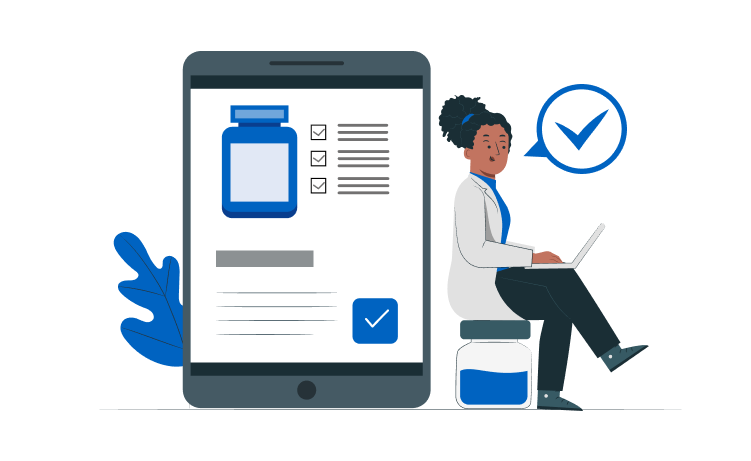
This telemedicine application allows patients and doctors to communicate in real time via a camera. Video conferencing apps enable real-life medical consultation and allow people to get quality medical advice wherever they are.
Mental health apps
People are increasingly turning to telepsychiatry to treat PTSD, ADHD, and depression. The use of video and audio chat allows doctors to provide mental health services to patients in a convenient and convenient way.
Store-and-forward
This type of application collects and transmits recorded patient history to healthcare specialists who use it to provide accurate diagnosis and quality treatment. Storage and forwarding applications store patient medical records in the form of text, multimedia such as photos or videos, and records of doctor-patient interaction.
Calendar and appointments
The patient should be able to view the doctors available for telemedicine appointments and choose from available time slots to book an appointment. Patients need to be provided with a list of appointments based on the availability of their preferred doctor, as well as the ability to quickly cancel or modify them.
Communication
Process can be done via video or audio conference for real-time consultation. For the first version in development of a telemedicine application, it is recommended to come up with an uncomplicated format.
Payment
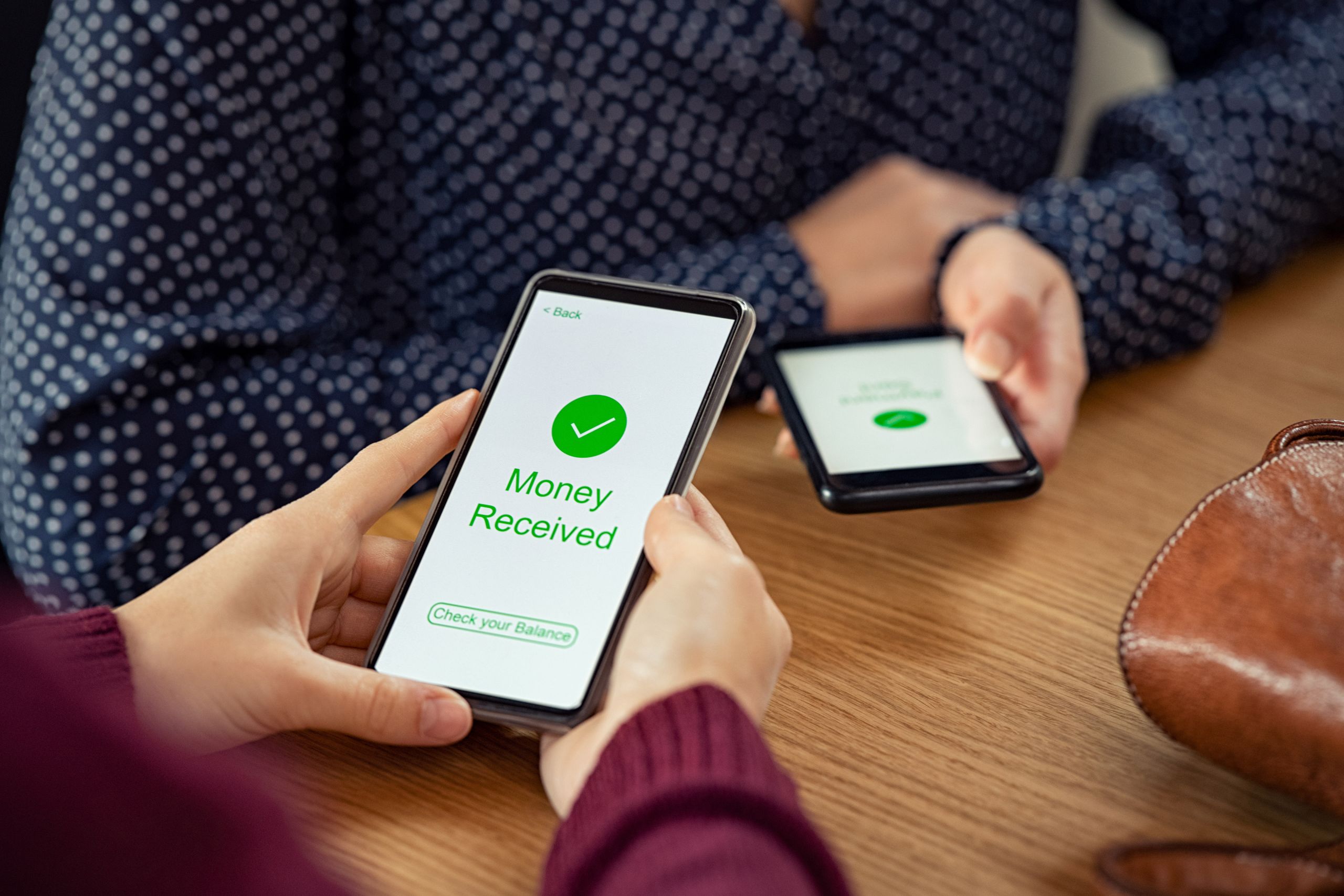
monetization of the telemedicine application should support at least different payment methods The patient should also be able to track their transaction history.
Patient profile management
Doctors, administrators must also be able to view and edit information in patient profiles. This includes: access to their medical information, payment history, activity, etc.
Analytics
Thanks to the analytics on the admin panel, you can know at any time what is happening in the application from a technical and marketing point of view – from tracking how many people have downloaded the application to the number of logins. service.

Conclusion
Developing solutions for the telehealth industry is a winning opportunity in the long run. With the help of such an application, you will help others live in the best possible health by providing them with immediate and safe medical services. With the support of a trusted development vendor, you will also be able to create a superior solution with great market and profit potential.




 Arizona
 Dubai
Dubai India
India