
9 Benefits Of Hiring A CIO To Manage Your Enterprise Business
Fast-paced and technology-driven business landscape, the role of a Chief Information Officer (CIO) has become increasingly crucial. A CIO is responsible for aligning technology strategies with business goals, ensuring seamless operations, and driving innovation. In this blog post, we’ll explore nine key benefits of hiring a CIO to manage your enterprise business.
Manage your enterprise business
Strategic alignment
A CIO plays a pivotal role in aligning technology initiatives with your overall business strategy. By understanding your company’s objectives, a CIO can implement IT strategies that directly contribute to achieving long-term goals, fostering a cohesive and integrated approach.
Operational efficiency
With a CIO at the helm, you can expect improved operational efficiency. They analyze existing processes, identify bottlenecks, and implement technological solutions to streamline operations, reducing costs and enhancing productivity.
Innovation leadership
A CIO brings a wealth of technological expertise and can spearhead innovation initiatives. They can introduce new technologies, drive digital transformation, and ensure your business remains competitive in the rapidly evolving market.
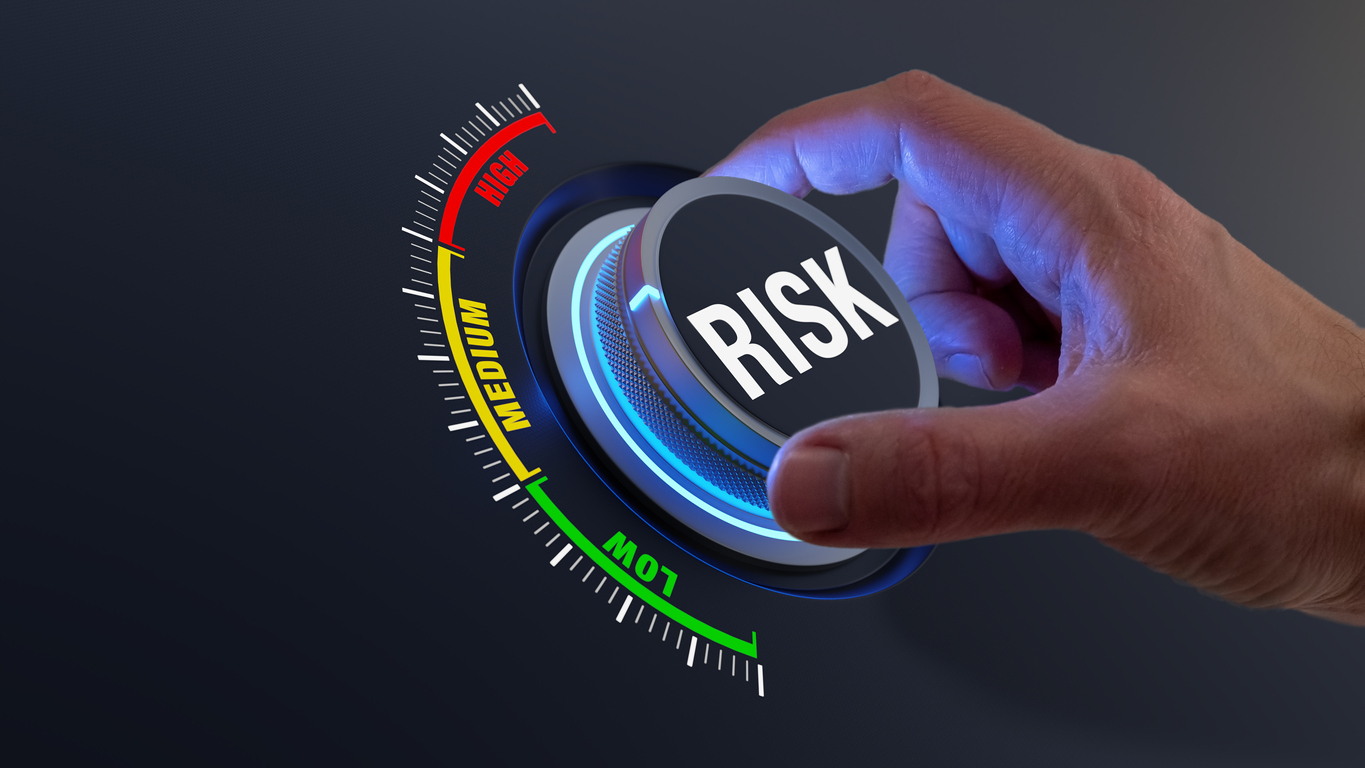
Risk management
Cybersecurity threats and data breaches are constant concerns for businesses. A CIO is well-versed in managing these risks, implementing robust security measures, and ensuring compliance with data protection regulations.
Cost optimization
CIOs are adept at optimizing IT budgets. By carefully evaluating technology investments and negotiating with vendors, they can identify cost-saving opportunities without compromising on quality. This financial prudence contributes to the overall profitability of your enterprise.
Data-driven decision making
They implement analytics tools, interpret data trends, and provide actionable insights that empower your leadership team to make strategic decisions based on concrete information.
Improved customer experience
A CIO focuses on enhancing the customer experience by leveraging technology. They implement CRM systems, analyze customer data to identify preferences, and deploy technologies that enhance communication and engagement with clients.
Scalability and flexibility
As your enterprise grows, the technology infrastructure must scale accordingly. A CIO ensures that your IT systems are scalable and flexible, capable of adapting to changing business needs.
Strategic vendor partnerships
Building and maintaining relationships with technology vendors is a key responsibility of a CIO. They can negotiate favorable contracts, stay abreast of industry trends, and leverage partnerships to access cutting-edge technologies that can give your enterprise a competitive edge.
Conclusion
From strategic alignment to cost optimization and innovation leadership, a CIO contributes significantly to the success and growth of your enterprise.




 Arizona
 Dubai
Dubai India
India