

8 Major Roadblocks In Cloud App Development
In the ever-evolving landscape of technology, cloud app development has become a cornerstone for businesses aiming to stay competitive and agile. While the cloud offers unprecedented advantages in terms of scalability, accessibility, and cost-effectiveness, developers often encounter roadblocks that can impede the smooth progress of their projects. In this article, we’ll explore eight major roadblocks in cloud app development and discuss strategies to overcome them.
Cloud app development
Security concerns
Security remains a top concern in cloud app development. With sensitive data stored on remote servers, developers must prioritize implementing robust security measures. Common challenges include data breaches, identity theft, and unauthorized access. To mitigate these risks, developers should follow best practices such as encryption, regular security audits, and compliance with industry standards like GDPR or HIPAA.

Compliance challenges
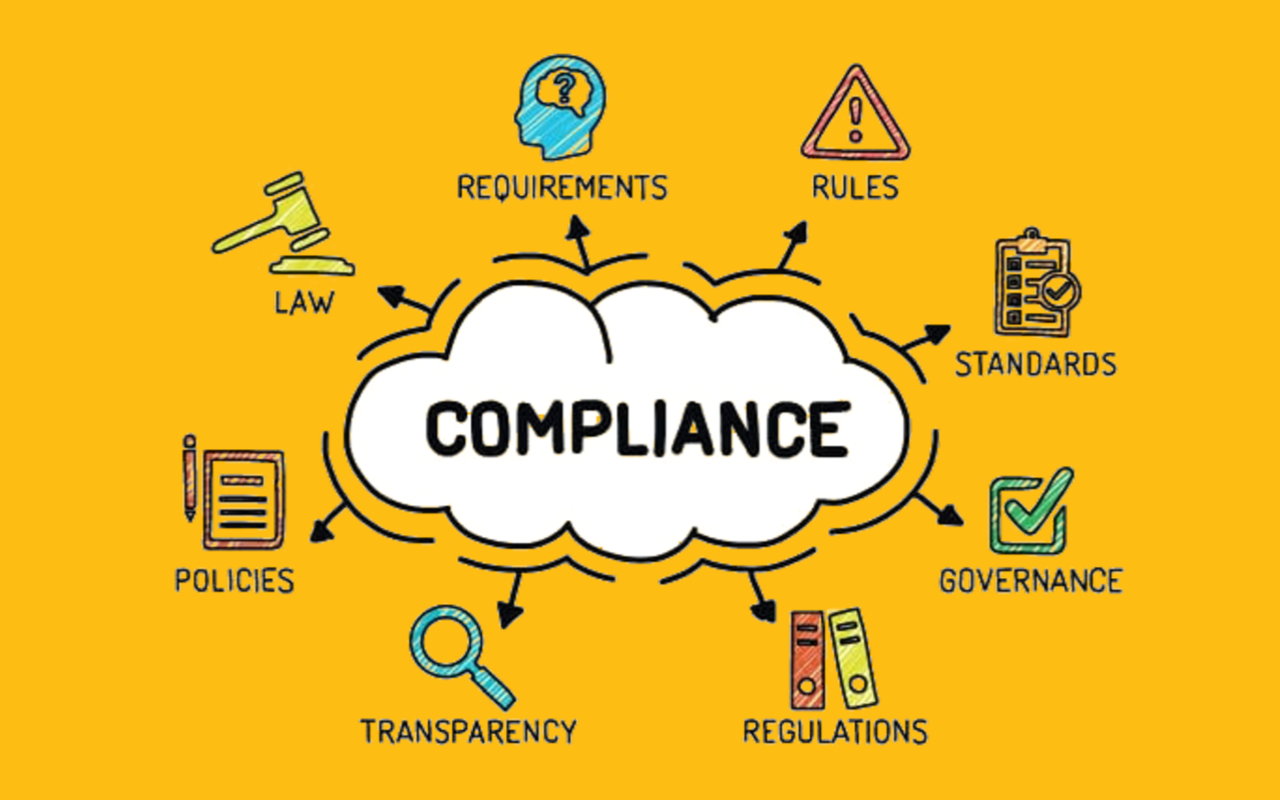
As data privacy regulations become more stringent, achieving compliance is a significant roadblock. Developers need to navigate complex legal landscapes and ensure that their applications adhere to the necessary regulations. Staying informed about the latest compliance requirements and integrating them into the development process from the outset is crucial. Collaboration with legal experts can help streamline compliance efforts.
Integration issues
In a world where diverse applications need to work seamlessly together, integration challenges are prevalent. Different cloud services, platforms, and tools may not always communicate effectively. Developers need to design with interoperability in mind, opting for open standards and APIs to facilitate smoother integration. Robust testing procedures can help identify and resolve integration issues early in the development cycle.
Scalability and performance
The allure of the cloud lies in its ability to scale resources on demand. However, achieving optimal scalability without sacrificing performance can be tricky. Developers must design applications with scalability in mind, utilizing microservices architecture and containerization. Regular performance testing and optimization are essential to ensure the application performs efficiently under varying workloads.
Limited control over infrastructure
While the cloud abstracts infrastructure management, this lack of control can be a roadblock for developers accustomed to traditional on-premises environments. Cloud providers dictate the underlying infrastructure, and changes can impact the application’s performance. To overcome this, developers should embrace Infrastructure as Code practices, allowing them to define and manage infrastructure through code, providing better control and reproducibility.
Downtime and reliability
No system is immune to downtime, and cloud applications are no exception. Unplanned outages can disrupt services and harm user experience. To address this roadblock, developers should adopt a robust architecture with redundancy and failover mechanisms. Regularly testing disaster recovery plans and leveraging multiple availability zones can enhance the reliability of cloud applications.
Cost management
While the cloud offers cost-effective solutions, managing expenses can be challenging. Unexpected spikes in usage or inefficient resource allocation can lead to budget overruns. Developers must implement cost monitoring tools, regularly analyze usage patterns, and optimize resource allocation. Leveraging serverless architectures and auto-scaling features can help control costs by aligning resources with actual demand.

Talent shortage
The demand for skilled cloud developers often outpaces the available talent pool. This shortage can slow down development cycles and hinder the implementation of best practices. Companies should invest in training programs for existing staff, encourage certifications, and foster a culture of continuous learning. Additionally, collaboration with external experts through partnerships or consulting services can help bridge the talent gap.

Conclusion
Cloud app development offers immense opportunities for innovation and efficiency, but it comes with its fair share of challenges. By prioritizing security, compliance, scalability, and reliability, and addressing talent shortages, developers can unlock the full potential of cloud technologies and deliver robust and resilient applications for the modern digital landscape.





 Arizona
 Dubai
Dubai India
India