
5 Tips For Choosing A Responsive Learning Management System
The Learning Management System is essential to meet the diverse needs of learners. As technology continues to shape the way we learn, it’s crucial to select an LMS that adapts to the dynamic nature of education. Here are five tips to guide you in choosing a responsive Learning Management System that aligns with your organizational goals.
Responsive learning management system
User-friendly interface
A responsive LMS should have an intuitive and user-friendly interface. Look for platforms that provide a seamless experience for both administrators and learners. A clean and well-organized dashboard, easy navigation, and straightforward functionality contribute to a positive learning experience. User-friendly interfaces enhance engagement and encourage active participation, ultimately fostering a more effective learning environment.

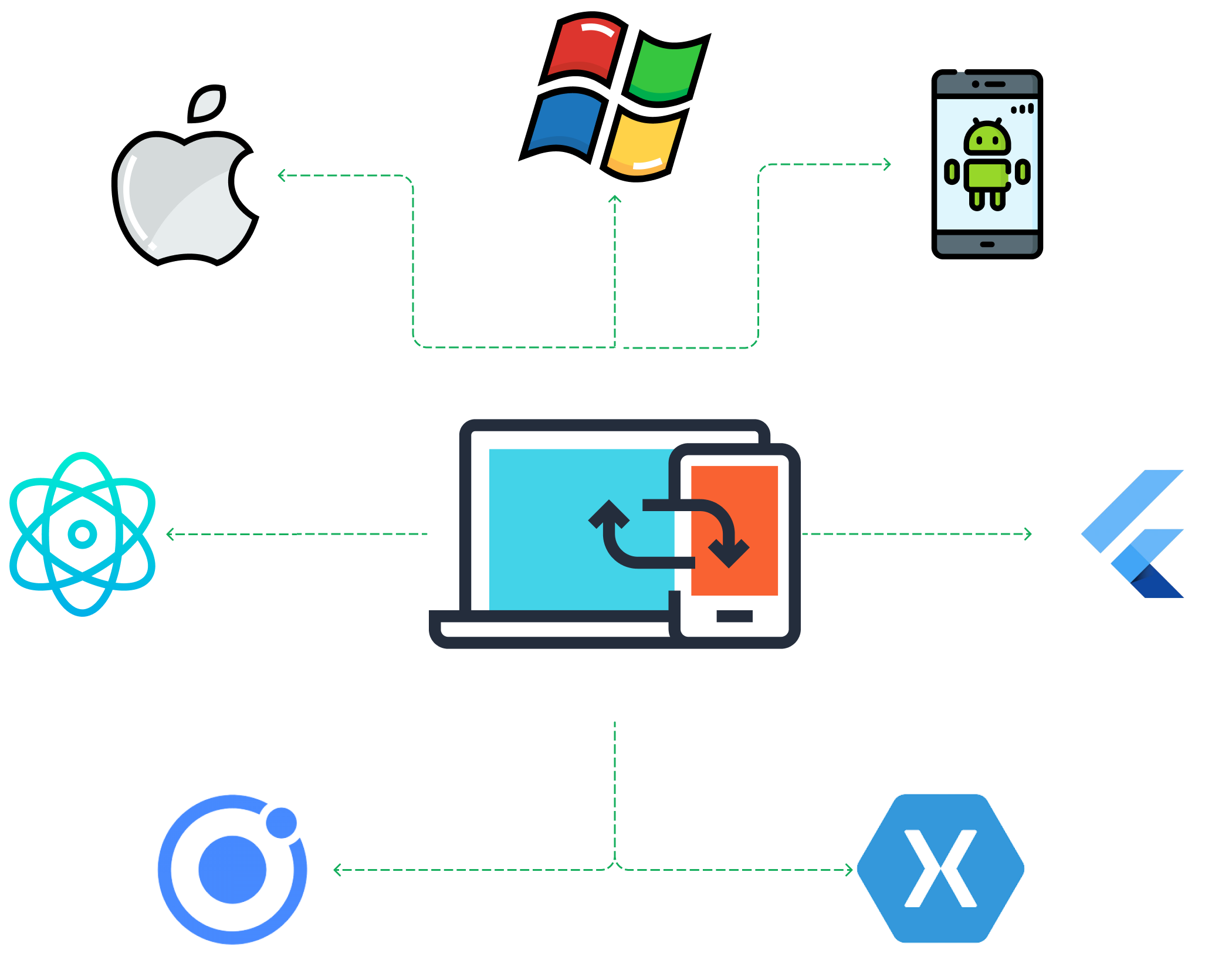
Cross-platform compatibility
In today’s mobile-driven world, learners access content from various devices. Ensure that the LMS you choose is compatible with different platforms such as desktops, laptops, tablets, and smartphones. A responsive LMS should offer a consistent and optimized user experience across these devices. This flexibility enables learners to access course materials whenever and wherever they choose, promoting accessibility and convenience.
Scalability and customization
Choose an LMS that can scale with the growth of your organization. Scalability is crucial for accommodating an increasing number of users and expanding content libraries. Additionally, look for a platform that allows customization to align with your specific requirements. The ability to tailor the LMS to your organization’s branding, workflows, and learning objectives ensures a more personalized and effective learning experience.
Reporting and robust analytics
To gauge the effectiveness of your training programs, opt for an LMS that provides robust analytics and reporting features. Analytical tools help track learner progress, assess the performance of courses, and identify areas for improvement. By collecting and analyzing data, you can make informed decisions, refine your training strategies, and ensure that the learning content remains relevant and impactful.

Responsive support and updates
A responsive LMS vendor is just as important as the system itself. Choose a provider that offers excellent customer support and frequent updates. A dedicated support team can assist with technical issues, provide training, and address any concerns promptly. Regular updates ensure that your LMS remains current with the latest technology trends and security measures, enhancing its overall performance and longevity.
Conclusion
Selecting a responsive Learning Management System is a strategic decision that significantly influences the success of your training initiatives. By prioritizing a user-friendly interface, cross-platform compatibility, scalability, robust analytics, and responsive support, you can ensure that your chosen LMS aligns with your organization’s goals and adapts to the ever-changing landscape of education and training.




 Arizona
 Dubai
 India