
9 Transportation And Logistics Technology Trends
In an era where the world is more interconnected than ever, the transportation and logistics industry plays a pivotal role in ensuring the seamless movement of goods across the globe. Technology continues to be a driving force behind the industry’s evolution, shaping the way companies manage their supply chains, optimize operations, and enhance overall efficiency.
Transportation and Logistics
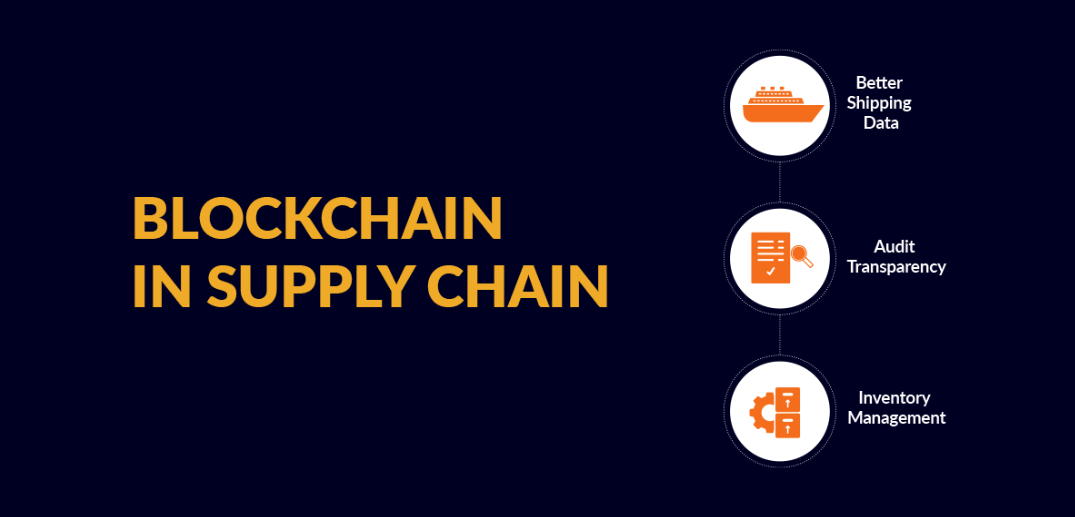
Blockchain in supply chain management
Blockchain technology is revolutionizing the way information is stored and shared in supply chains. Its decentralized and secure nature allows for transparent and tamper-resistant record-keeping. This ensures the integrity of transactions, reduces fraud, and provides end-to-end visibility in the supply chain.
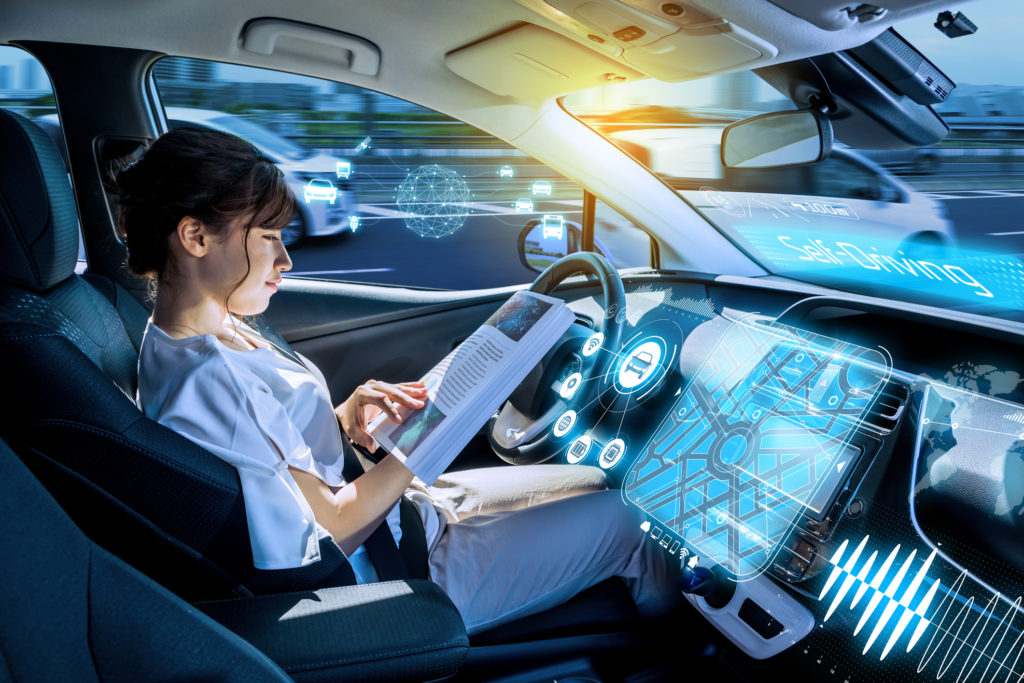
Autonomous vehicles
The concept of autonomous vehicles is no longer confined to science fiction. With advancements in artificial intelligence and sensor technologies, autonomous trucks and drones are becoming a reality. These vehicles have the potential to reduce human error, increase safety, and enhance the efficiency of freight transportation.
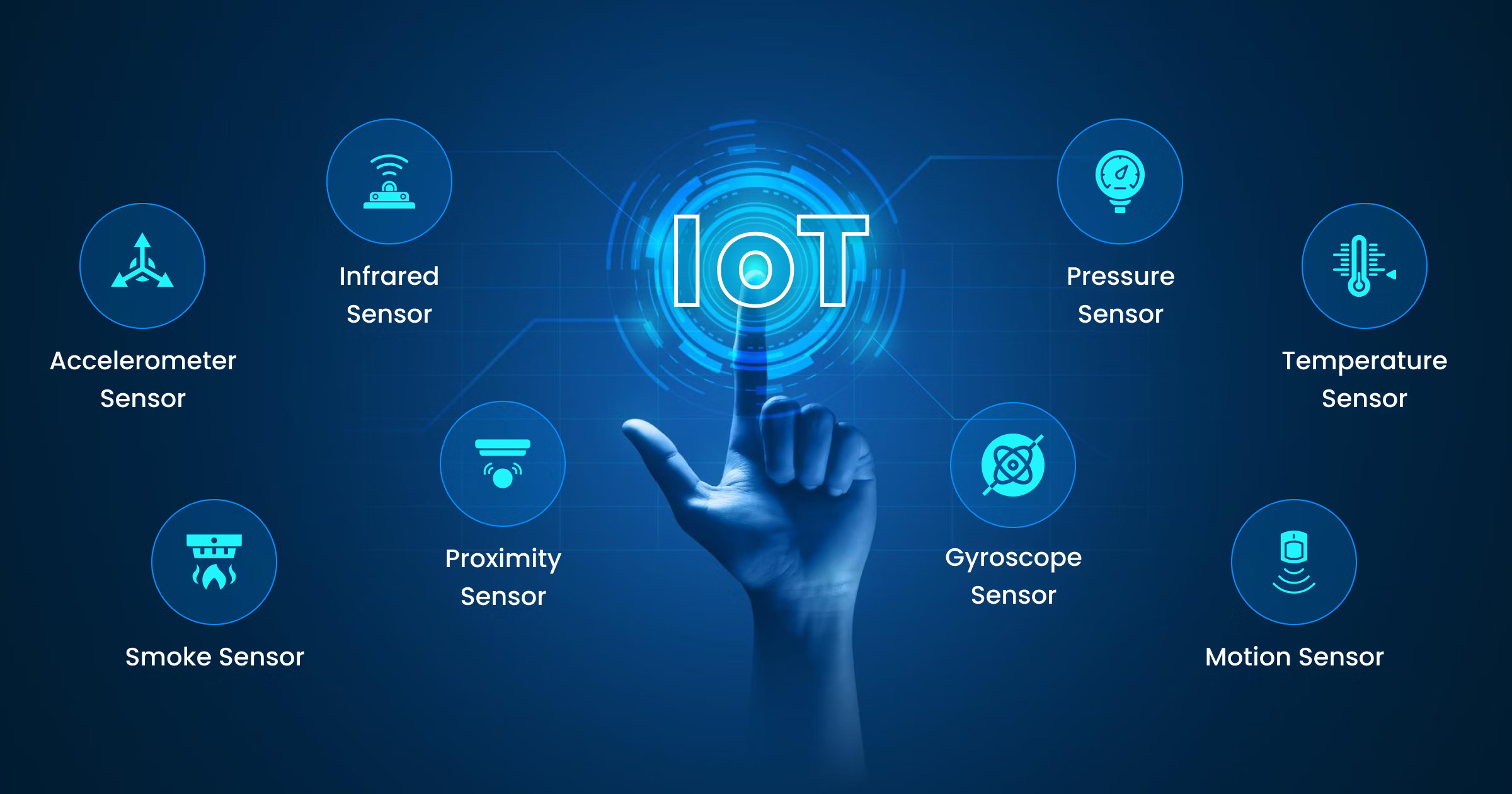
Internet of things sensors
The Internet of Things is powering a new era of smart logistics. IoT sensors embedded in vehicles, containers, and warehouses provide real-time data on everything from temperature and humidity to location and traffic conditions. This data allows companies to optimize routes, monitor the condition of goods, and predict maintenance needs, resulting in improved efficiency and cost savings.
Predictive analytics for demand forecasting
Predictive analytics leverages historical data, machine learning, and statistical algorithms to forecast future demand accurately. In the transportation and logistics industry, this technology helps companies optimize inventory levels, reduce stockouts, and streamline supply chain operations.

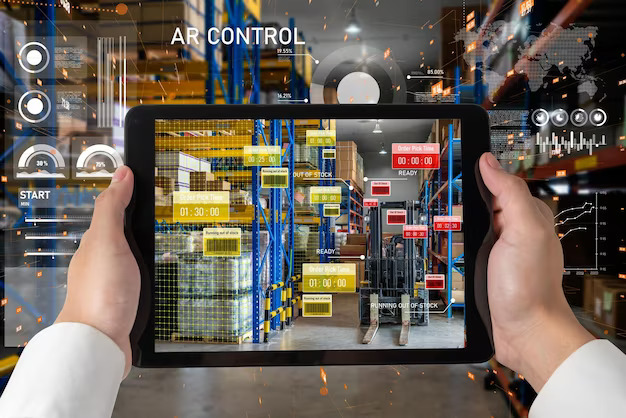
Augmented reality in warehousing
AR is transforming warehouse operations by providing workers with real-time information and guidance through smart glasses or handheld devices. This technology enhances picking accuracy, reduces errors, and improves overall efficiency. With AR, warehouse personnel can quickly locate items, track inventory levels, and streamline the fulfillment process.
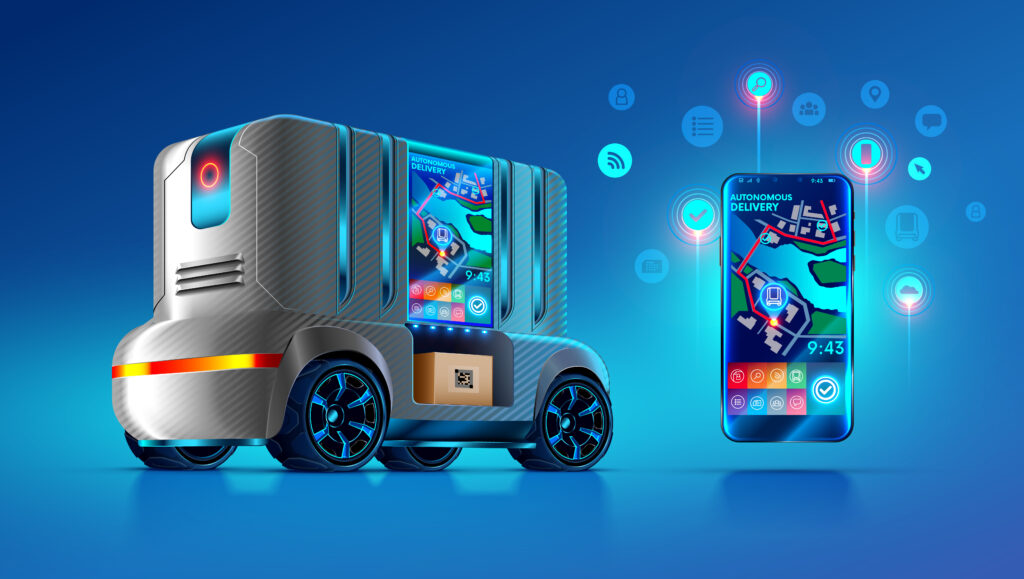
Electric and autonomous last-mile delivery
Last-mile delivery is a critical component of the supply chain, and electric and autonomous vehicles are changing the game. Electric delivery vans are not only environmentally friendly but also cost-effective in the long run. Combined with autonomy, these vehicles promise faster and more reliable last-mile deliveries, addressing challenges related to congestion and urban logistics.
Digital twins for supply chain optimization
In the logistics industry, digital twins are used to simulate and optimize supply chain operations. By modeling different scenarios and identifying potential bottlenecks, companies can enhance efficiency, reduce costs, and improve overall supply chain resilience.

Robotic process automation
RPA is streamlining repetitive and rule-based tasks in the transportation and logistics sector. From invoice processing to data entry, robots can handle routine activities with speed and precision, allowing human workers to focus on more complex and strategic aspects of their roles.

5G connectivity
The rollout of 5G networks is ushering in a new era of connectivity, enabling faster and more reliable communication between devices. In the transportation and logistics industry, 5G connectivity enhances real-time tracking, improves communication between vehicles, and supports the widespread adoption of IoT devices.

Conclusion
The transportation and logistics industry is undergoing a profound transformation fueled by technological advancements. From blockchain and autonomous vehicles to IoT sensors and 5G connectivity, these trends are reshaping the way goods move across the globe.





 Arizona
 Dubai
Dubai India
India