

8 Crucial Methodologies For Better Mobile App Usability
Mobile apps usability From communication and entertainment to productivity and shopping, they serve a myriad of purposes. However, the success of a mobile app is not solely determined by its features or aesthetics; usability plays a pivotal role. A user-friendly app not only attracts more users but also ensures their satisfaction and retention. In this blog post, we’ll explore eight crucial methodologies for enhancing mobile app usability.
Mobile app
User-centric design
The foundation of a usable mobile app lies in its design. Adopting a user-centric design approach involves understanding the needs, preferences, and behaviors of your target audience. Conduct user research, create user personas, and employ wireframing and prototyping techniques to iterate on the design before the development phase. A well-thought-out design ensures that users can navigate the app effortlessly, leading to a positive user experience.

Intuitive navigation
Navigation is the backbone of mobile app usability. Implement a straightforward navigation structure with a clean and organized layout. Group related features logically, use clear and concise labels, and integrate familiar navigation patterns, such as tab bars or bottom navigation, to enhance intuitiveness. Avoid unnecessary complexities that might hinder the user’s journey within the app.
Responsive and adaptive design
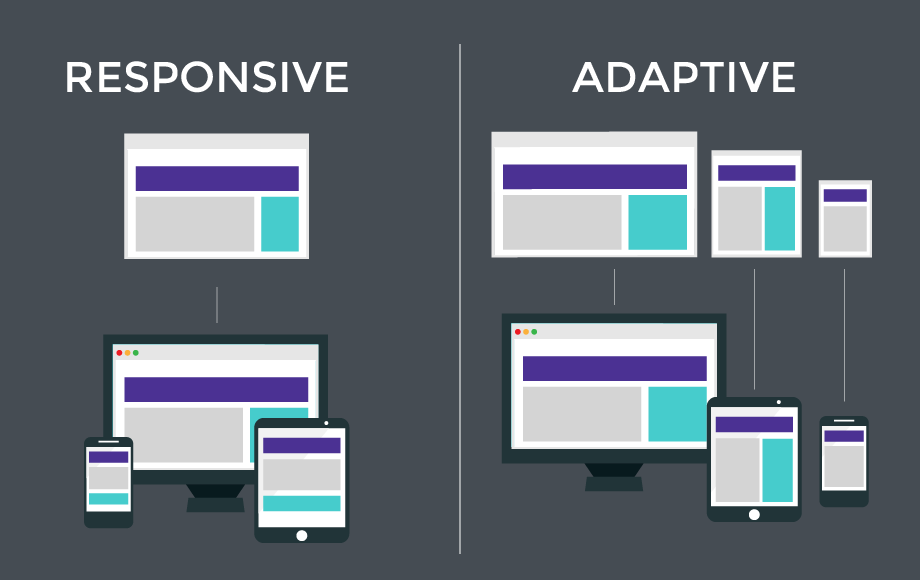
With an extensive variety of devices and screen sizes available, it’s crucial to ensure your mobile app is responsive and adaptive. A responsive design adjusts to different screen sizes, while an adaptive design tailors the user interface to specific devices. This guarantees that users across various platforms and devices have a consistent and optimized experience, contributing to improved usability.
Streamlined onboarding process
First impressions matter, and the onboarding process sets the tone for the user’s interaction with your app. Provide informative tooltips, use progressive disclosure to reveal information gradually, and minimize the number of steps required for users to start using the app. A seamless onboarding experience ensures that users can quickly grasp the app’s value and functionality.

Efficient search and filters
As mobile apps grow in complexity, the importance of efficient search and filtering mechanisms cannot be overstated. Implement a robust search functionality that allows users to find what they need quickly. Incorporate relevant filters to help users narrow down their choices and locate specific content. An effective search and filter system enhances the overall usability of the app, especially for users seeking specific information or products.
Feedback and error handling
Transparent communication with users is key to a positive user experience. Provide meaningful feedback for user actions, such as successful form submissions or error messages for invalid inputs. Clearly communicate the cause of errors and guide users on how to rectify them. Additionally, integrate loading indicators and animations to inform users about ongoing processes. User-friendly feedback mechanisms build trust and reduce frustration, ultimately improving the usability of your mobile app.
Optimized performance
No user enjoys a sluggish or unresponsive app. Optimize the performance of your mobile app by minimizing loading times, reducing unnecessary animations, and optimizing images and other media. Conduct thorough performance testing to identify and address potential bottlenecks. A snappy and responsive app not only enhances usability but also contributes to user satisfaction and retention.

Accessibility considerations
Ensuring that your mobile app is accessible to users with disabilities is not only a moral imperative but also a legal requirement in many regions. Incorporate accessibility features, such as text-to-speech capabilities, adjustable font sizes, and voice commands, to make your app inclusive. Conduct regular accessibility testing to identify and address any potential barriers that users with disabilities might face. A more accessible app extends its usability to a wider audience.
Conclusion
By adopting these eight crucial methodologies, developers and designers can significantly enhance the usability of their mobile applications, resulting in satisfied users and long-term success. Prioritize user experience, gather feedback, and continuously iterate on your app to stay ahead in the competitive world of mobile applications.





 Arizona
 Dubai
Dubai India
India