7 Signs That Your Business Needs To Consider Legacy Migration
In the fast-paced world of technology, businesses are constantly faced with the challenge of keeping up with the latest advancements to stay competitive. One critical aspect that often requires attention is the migration from legacy systems to modern solutions. Legacy migration is a strategic move that can rejuvenate your business operations, enhance efficiency, and ensure long-term sustainability. In this blog post, we will explore seven signs that indicate your business may need to consider legacy migration.
Legacy migration
Outdated technology
If your business is still relying on outdated technology that lacks the capabilities to meet current demands, it’s a clear sign that legacy migration should be on your radar. Legacy systems can impede growth and hinder productivity, making it essential to embrace modern technologies for improved performance and scalability.
Security vulnerabilities
Legacy systems are often more susceptible to security breaches due to outdated security protocols and a lack of regular updates. If your business has experienced security incidents or you are concerned about the potential risks associated with using outdated technology, it’s a compelling reason to consider migration to a more secure and up-to-date platform.
Inflexibility and scalability issues
As your business evolves, so do your operational needs. Legacy systems may struggle to adapt to changes or accommodate the growth of your business. If you find your current technology limiting your ability to scale, innovate, or integrate with new applications, it’s a sign that legacy migration is necessary for future-proofing your business.
High maintenance costs
Legacy systems often incur higher maintenance costs due to the scarcity of skilled professionals, expensive hardware, and outdated software licenses. If your business is experiencing a drain on resources due to the increasing costs of maintaining legacy infrastructure, it’s a strong indicator that migration to a more cost-effective and efficient solution is warranted.
Poor User experience
User experience is a critical factor in today’s digital landscape. If your employees or customers are struggling with a clunky interface, slow response times, or frequent system errors, it can negatively impact productivity and customer satisfaction. Modernizing your technology through legacy migration can vastly improve the user experience, leading to increased efficiency and customer loyalty.

Compliance challenges
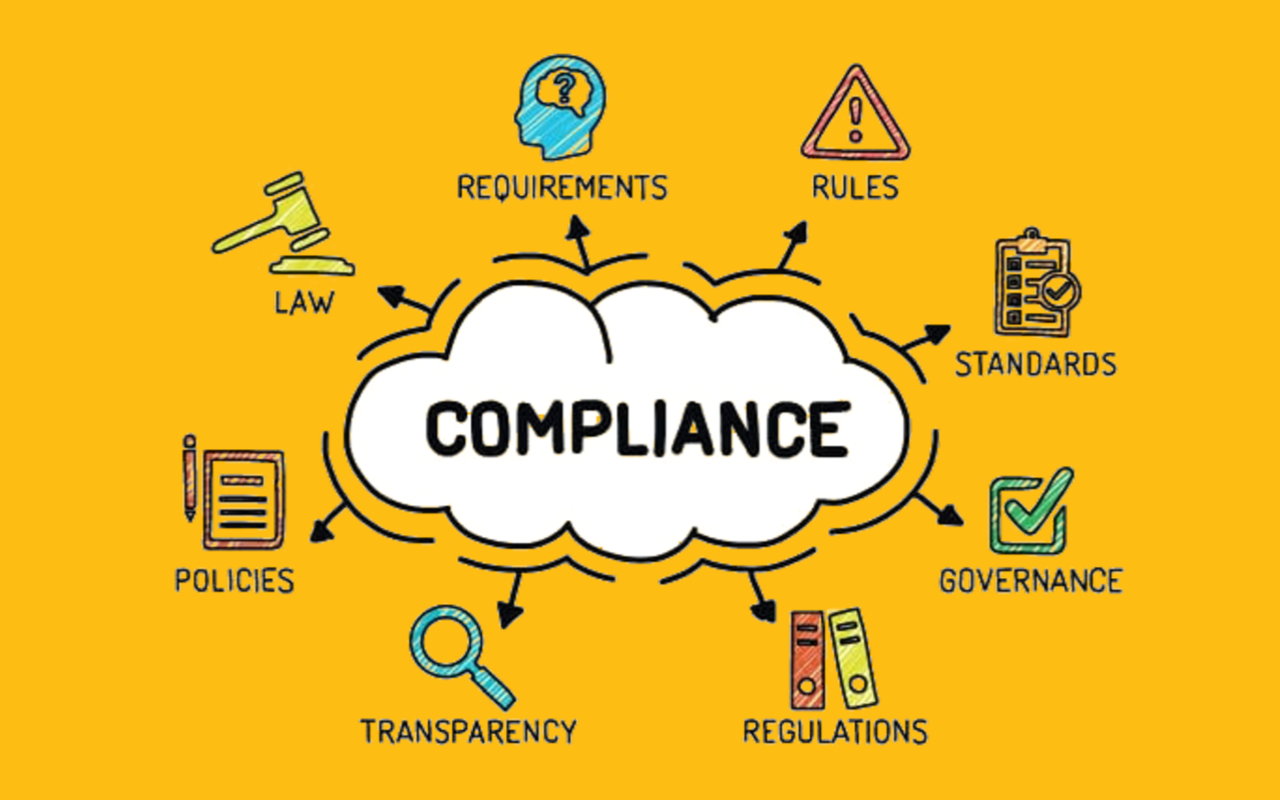
Staying compliant with industry regulations is crucial for businesses, and legacy systems may not have the capabilities to meet the latest compliance standards. If your business operates in a regulated industry and you’re facing challenges in maintaining compliance with current regulations, it’s a clear sign that migration to a compliant and up-to-date system is imperative.
Lack of integration
In today’s interconnected business environment, seamless integration with other applications and systems is essential. Legacy systems often lack the flexibility to integrate with modern tools and technologies, leading to siloed data and inefficient workflows. If your business is struggling with data interoperability and integration challenges, it’s time to consider a migration that allows for smoother collaboration and improved efficiency.
Conclusion
Recognizing these seven signs is crucial for businesses aiming to thrive in a dynamic and competitive market. Legacy migration may seem like a daunting task, but the long-term benefits in terms of improved efficiency, enhanced security, and scalability make it a strategic investment for the future success of your business.




 Arizona
 Dubai
Dubai India
India